Design
Drawn by the studio behind the fleet.
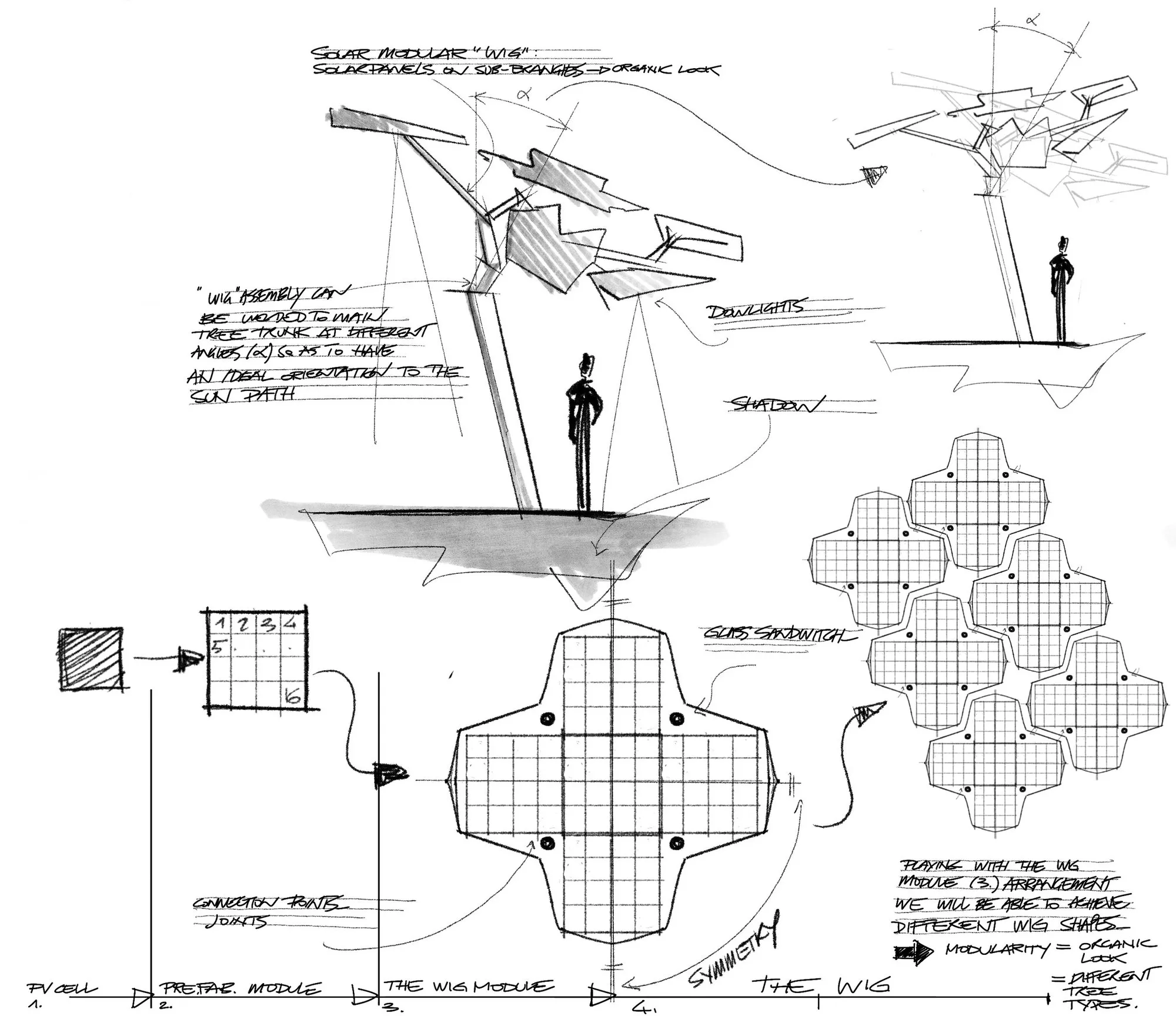
Espen Øino International brings the proportion, restraint and detailing of the superyacht world to a piece of energy infrastructure.
The collaboration

Espen Øino
Designer · Espen Øino International
A utility object, promoted to architecture.
Solar hardware is normally designed to be tolerated: racked, fenced, positioned where guests will not see it. The premise here was the opposite. If a marina is going to install a dozen of these along its most valuable frontage, they had better be worth looking at.
Working with a studio whose portfolio is measured in launched superyachts changed the vocabulary of the project. Sightlines, slenderness ratios and the way a form meets the sky became design constraints alongside irradiance and load.
The result sits closer to sculpture than to plant: a landmark that happens to be a generator.
Nature’s blueprint
The stone pine got there first.
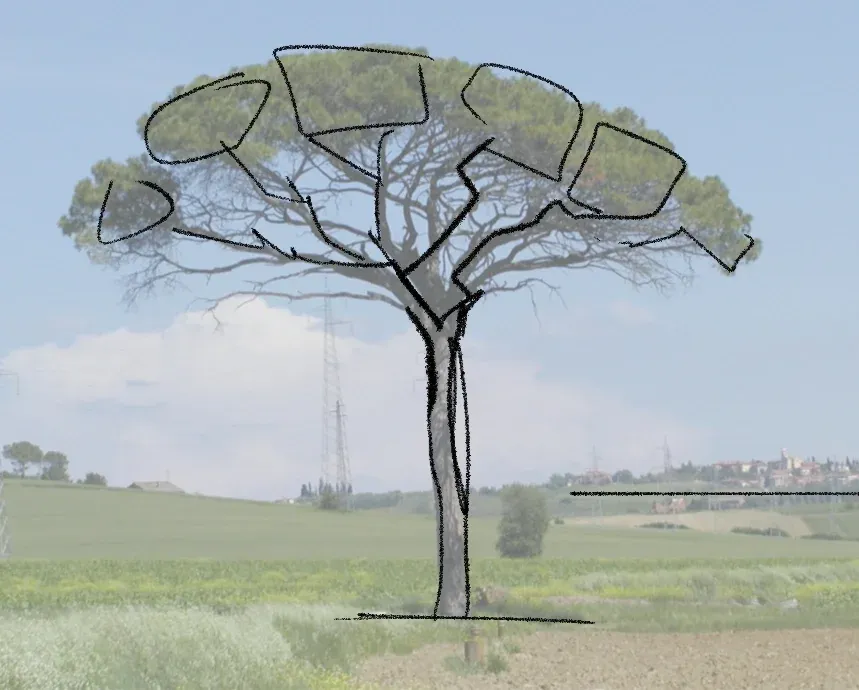
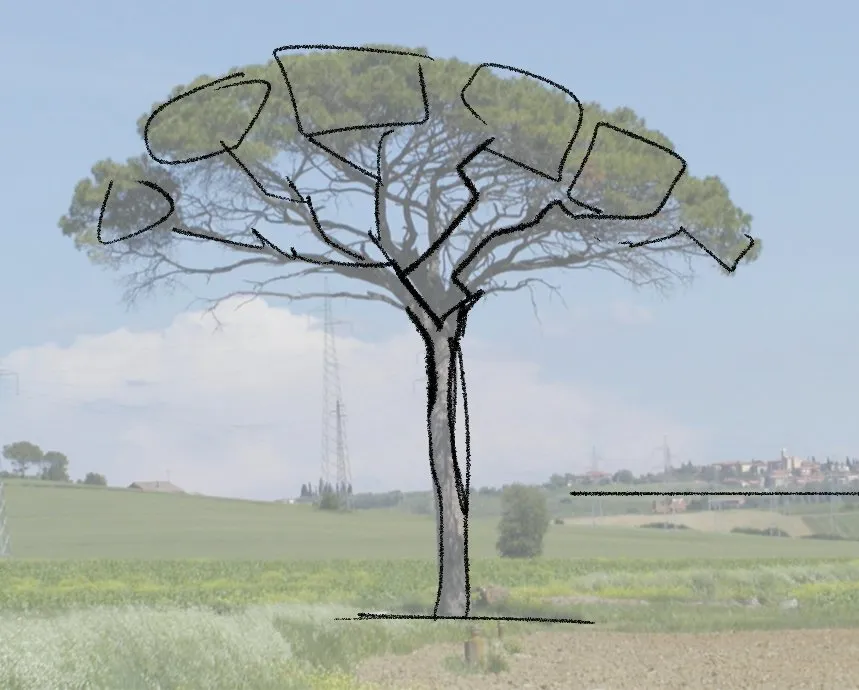
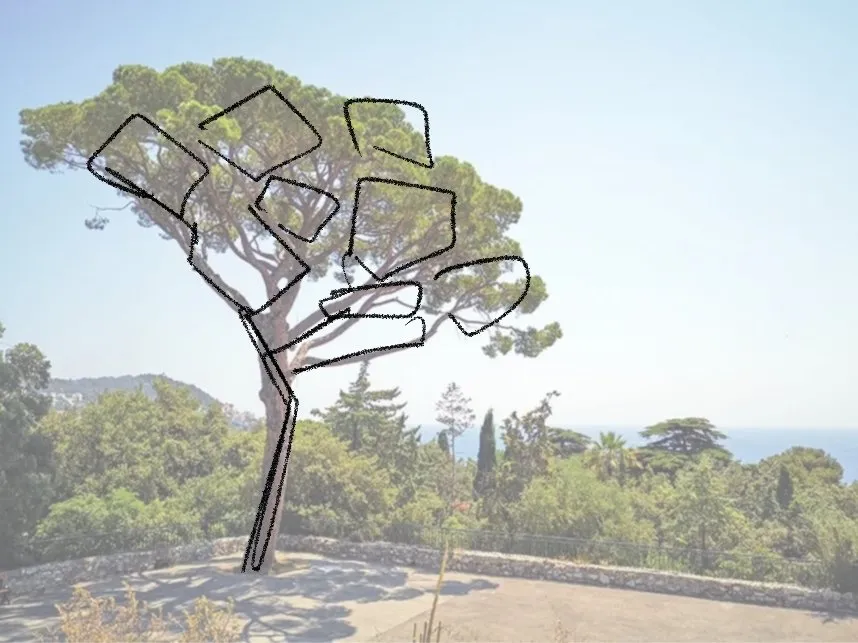
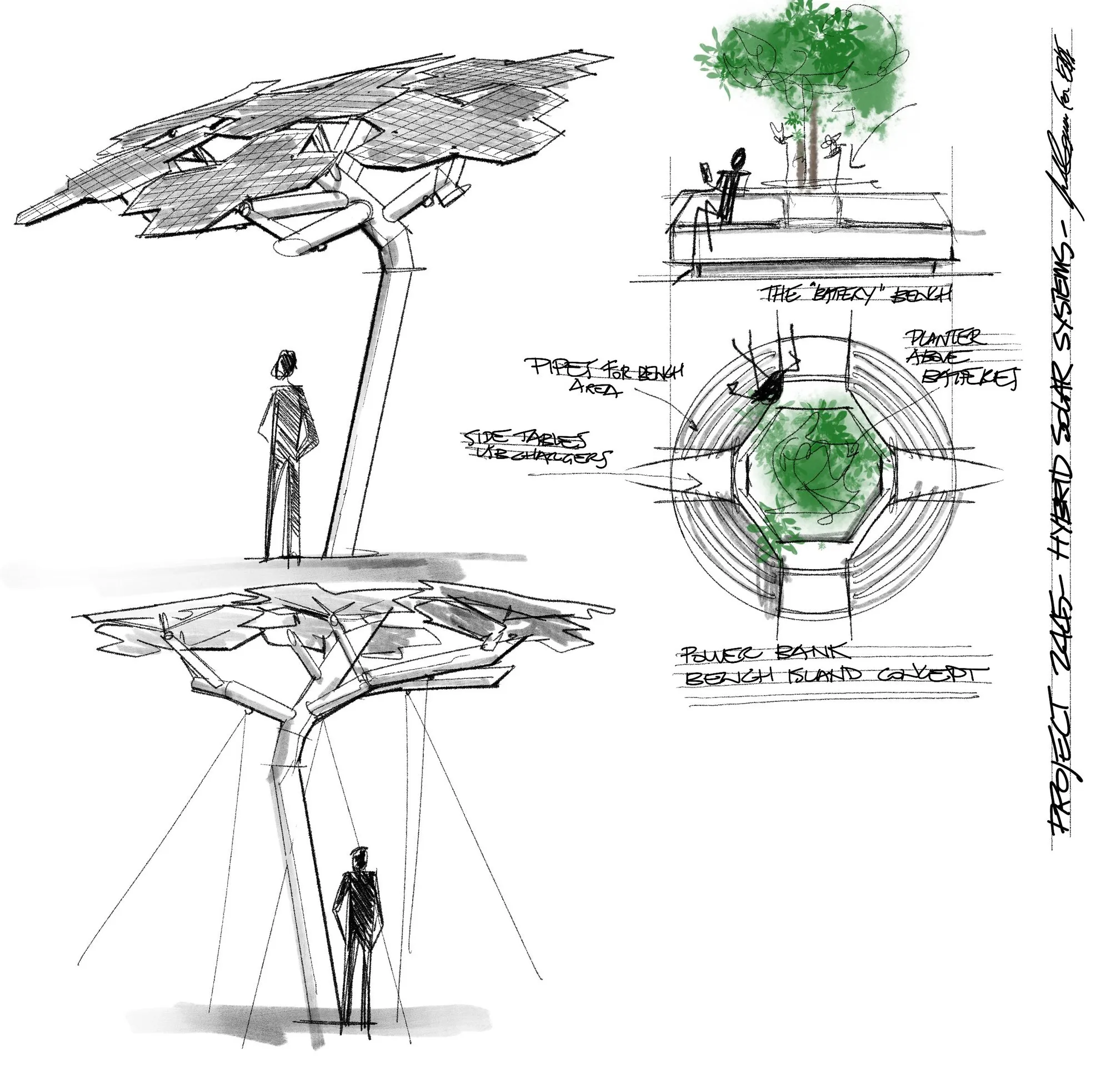
Along the Mediterranean coast the stone pine has already solved the problem: a clear trunk, a high vaulted crown, maximum shade delivered from minimum ground contact.
Translating that geometry into glass and metal gave the canopy its angle, the trunk its taper, and the orchard its spacing. It is a borrowed solution, and an unusually well-tested one.
Materials
Built for salt, and for second thoughts.
Stainless steel and marine-grade aluminium carry the structure through the conditions that destroy ordinary solar mounting: salt spray, humidity, heat, and the constant mechanical noise of a working harbour.
Just as important is the anchoring. A modular system means a tree can be installed in a working marina without closing it, and relocated later without leaving a wound in the deck. Harbours change shape every few years; the orchard is designed to change with them.